

The Path to Grace
Reclaiming Yourself Beyond Inherited Pain
It starts with me.
For years, I thought I was healing my own pain. And in many ways, I was.
I worked through grief, trauma, loss, shame, fear, anger, and relationships that left lasting marks. Every layer I uncovered helped me better understand myself, but eventually I began noticing something I couldn't ignore.
Some of the things I was carrying didn't seem to belong entirely to me.
The reactions were mine.
The coping mechanisms were mine.
But the roots felt much older.
As I looked more honestly at my family history, I began seeing the same emotional patterns repeating across generations. Fear. Silence. Hypervigilance. People pleasing. Emotional disconnection. Survival strategies passed from one generation to the next like an inheritance no one ever asked for.
That realization changed everything.
I stopped asking, "What's wrong with me?"
Instead, I began asking a different question.
"What have I been carrying?"
That question became the foundation of The Path to Grace.
Because here's what I've come to believe.
Many of us spend years trying to fix ourselves without realizing we're living from survival patterns that were never meant to define us.
This isn't about blaming our parents.
It isn't about judging our ancestors.
It isn't about becoming someone new.
It's about recognizing what you've been carrying, understanding how it shaped the way you learned to survive, and gently reclaiming the person you've always been beneath inherited pain.

The Path to Grace is a nine-week self-paced healing journey that begins with a dedicated Orientation Week, preparing you emotionally, spiritually, and practically before you embark on the eight core stages of reclaiming yourself from inherited pain.
Through lessons, guided meditations, reflection exercises, and a comprehensive workbook filled with journaling prompts and integration practices, you'll move through eight stages designed to help you understand what you've been carrying, release what no longer belongs to you, and reconnect with yourself.

Sometimes, it’s not about fixing yourself.

Sometimes it's about understanding yourself.
One of the biggest misconceptions about healing is that every uncomfortable emotion means something is broken.
I don't believe that.
I believe many of us have spent years trying to fix ourselves without ever understanding how we learned to survive. Our responses to life are shaped by our experiences, our nervous systems, and sometimes by patterns quietly passed through generations.
What was inherited doesn't have to be permanent.
Understanding your story doesn't change the past. It changes what you choose to carry forward.
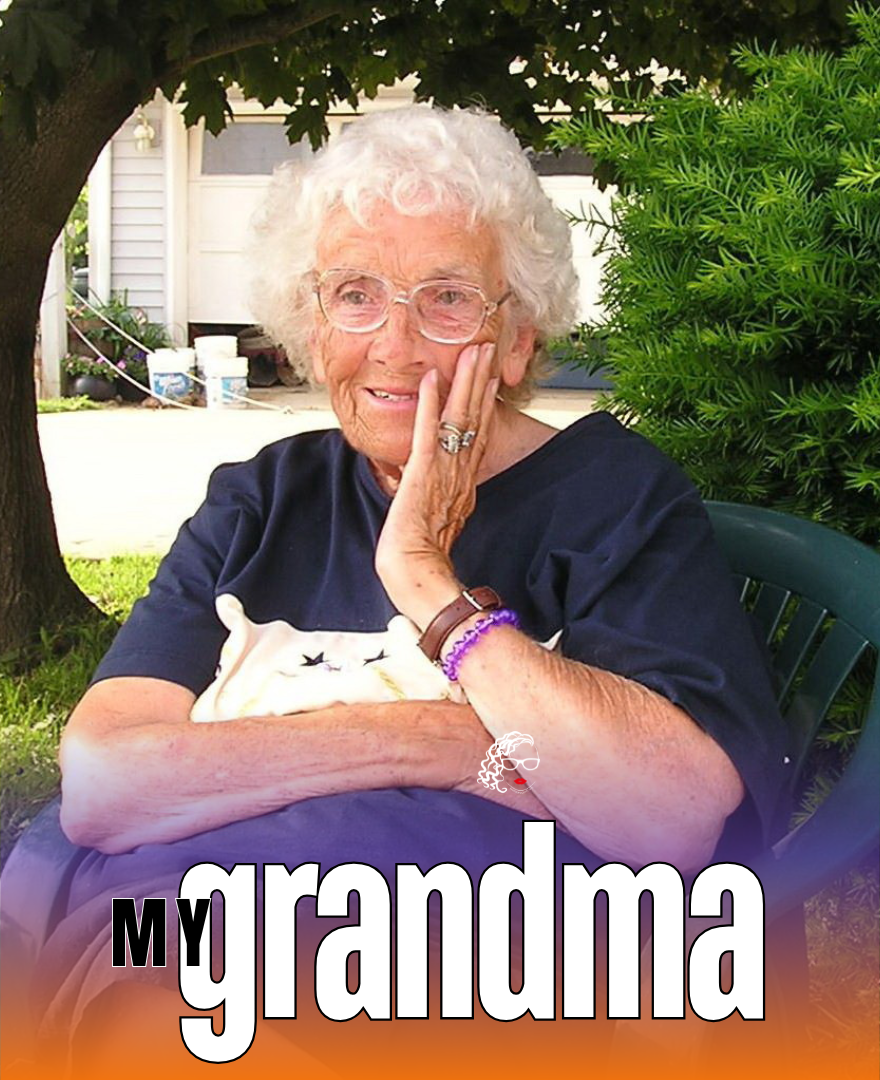
This work changed my life.
The Path to Grace began with my own healing journey, but over the years it grew into something much bigger.
As I worked with students and clients, I realized the same emotional patterns showed up again and again. Different families. Different histories. Different stories. Yet beneath them lay many of the same survival strategies: people-pleasing, perfectionism, hyper-independence, emotional shutdown, fear of abandonment, and the quiet belief that somehow they weren't enough.
The names and faces changed, but the patterns didn't.
I realized we often mistake survival for personality. Many of the ways we learn to survive don't begin with us—they're passed quietly from one generation to the next until they simply feel like "who we are."
The Path to Grace isn't about changing who you are. It's about recognizing the survival strategies you've mistaken for your identity so you can begin reclaiming the person you've always been beneath inherited pain.
Your Journey. Your Choice.
Choose the payment option that works best for you. Either way, you’ll receive the complete Path to Grace experience.
Five Signs Survival May Be Running the Show
You feel responsible for everyone else's happiness.
You walk into a room and immediately start managing energy. You know who's upset, who's uncomfortable and it feels like your job to fix it.

Rest makes you uncomfortable.
The moment you slow down, guilt shows up. There is always one more thing to do, one more person to help, one more responsibility demanding your attention.

Your reactions feel bigger than the situation.
Sometimes a disagreement, criticism, or disappointment hits harder than it should. It's as though something much older is being touched.

You understand the pattern, but it keeps showing up.
You've promised yourself things would be different. Yet somehow you find yourself responding the same way.

You've become so accustomed to surviving that you're not entirely sure who you are without it.
After years of being the caretaker, peacekeeper, achiever, or strong one, it can be difficult to remember who you are beneath those roles.

None of these patterns mean there's something wrong with you. They often make perfect sense once you understand how they helped you survive.
That's the journey we'll take together inside The Path to Grace.
Does This Feel Familiar?
Life looks fine on the outside, but underneath it all, you're exhausted.
Not because something terrible is happening today, but because you've spent years carrying responsibilities, expectations, and emotional burdens without ever stopping to ask what they're costing you.
Somewhere along the way, survival became normal.
The guilt.
The overthinking.
The people pleasing.
Always putting yourself last.
The same relationship patterns repeat no matter how hard you try to change them.
Maybe you've already done a lot of healing. You've read the books, gone to therapy, journaled, meditated—or perhaps you found your way here after reading one of my book chapters and recognized pieces of yourself.
And yet, there are still moments when your reactions feel bigger than the situation. Moments when you catch yourself thinking:
"I know better... so why do I still do this?"
That's often where the deeper questions begin.
Not, "What's wrong with me?"
But, "What have I been carrying?"

What we'll unravel together
The Path to Grace is a guided journey into the inherited beliefs, emotional survival patterns, generational wounds, and nervous system conditioning that continue to shape our lives long after the original experiences have passed.
Together, we'll begin to recognize what you've been carrying, understand where it came from, and gently reclaim the parts of yourself that became buried beneath inherited pain. As you heal yourself, you also help interrupt the patterns that have quietly moved through your family for generations.
Along the way, we'll explore:
Generational grief and inherited emotional pain
Family roles and emotional survival patterns
The beliefs and stories you learned about yourself
Boundaries, identity, and self-worth
Reclaiming your voice
Your nervous system's role in healing
Living from truth instead of survival
Through thoughtful lessons, guided meditations, embodiment practices, reflection, and your Healing Journal, you'll begin to separate your authentic self from the survival version of yourself you were forced to become, while creating space for healing to ripple both backward and forward through your family line.
Healing doesn't happen because you finish a course.
It happens when you're willing to become aware, tell yourself the truth with compassion, and choose differently.
No blame.
No shame.
No spiritual bypassing.
Just honest healing.
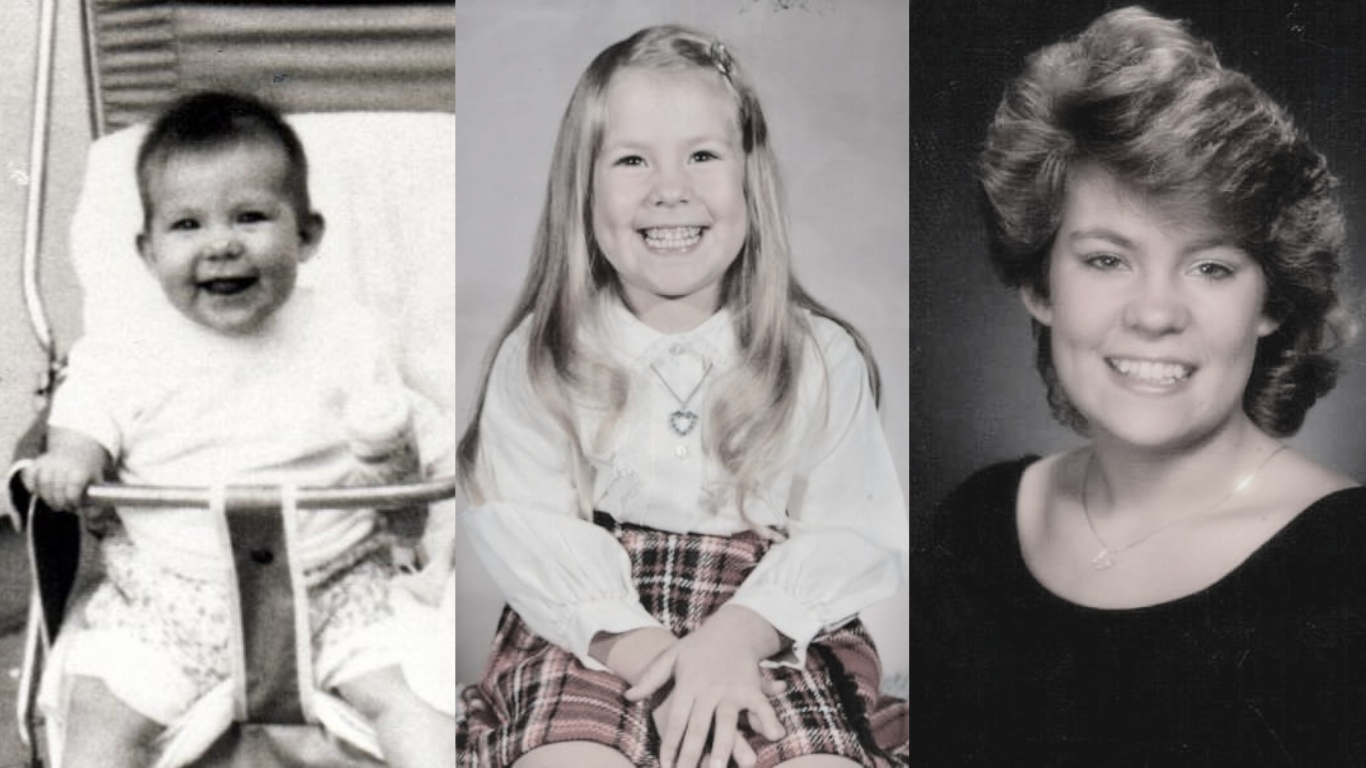
Why The Path to Grace?
For a long time, I thought healing meant fixing myself. I believed if I learned enough, forgave enough, or understood enough, I'd eventually reach a place where the past no longer affected me.
Instead, I discovered something much gentler.
Healing wasn't about becoming perfect. It was about learning to meet myself with grace.
Grace for the ways I survived.
Grace for the parts of myself carrying burdens that didn't begin with me.
Grace to take responsibility for my own healing without carrying responsibility for everything that came before me.
That's when I realized healing isn't about erasing the past. It's about understanding it, choosing what you'll carry forward, and releasing what no longer belongs to you.
That's why I named this journey The Path to Grace.
Because healing doesn't begin with perfection.
It begins the moment you stop asking, "What's wrong with me?" and start asking, "What have I been carrying?"
Your Path To Grace
Every step brings you closer to yourself.
The Path to Grace begins with an Orientation Week designed to help you slow down, reflect, and prepare for the journey ahead. From there, you'll move through eight stages of healing that gently uncover inherited patterns, help you understand how you learned to survive, and guide you back toward the person you've always been beneath inherited pain.
Every journey is different.
There is no perfect timeline.
Only the next honest step.

The Mirror
Recognize the inherited beliefs, survival patterns, and roles you've mistaken for who you are.
The Fracture
Explore the wounds and inherited patterns that taught you how to survive.

The Constriction
Recognize the fears, grief, inherited expectations, and emotional burdens you've been carrying.


The Voice
Rediscover your voice beneath the stories you've inherited.
The Truth
See your story with honesty while recognizing what belongs to you—and what never did.


The Release
Shed inherited survival patterns and step into a future that's yours to create.

The Grace
Meet yourself with compassion as you begin choosing grace over survival.

The Integration
Create a life rooted in truth instead of survival.
Every journey begins with one decision.
If you're ready to stop surviving and begin reclaiming yourself, I'd love to walk this path with you.